

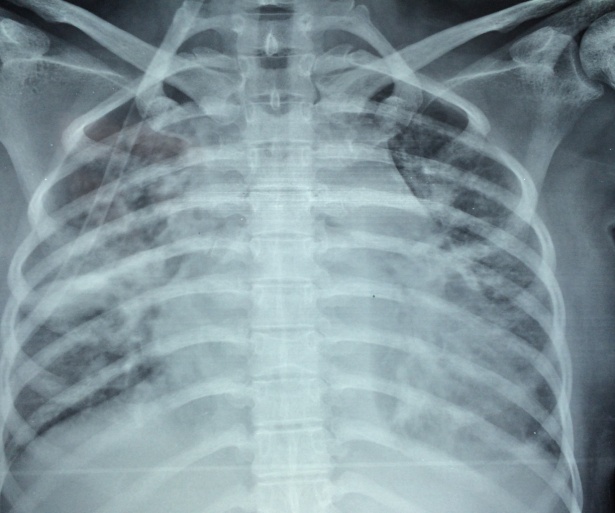
Acute Chest Syndrome (ACS) is a rare but often fatal complication in patients with micro-drepanocytic anemia as in those with beta Sickle Cell Disease (SCD). This case report refers to a female patient with known micro-drepanocytic anemia who was admitted to our ICU due to ACS. Treatment included RBC transfusions with WBC reduction, administration of FFP and plasmapheresis within 48 hours from the ICU admission. At the 3rd ICU day, HbA2 level was found elevated up to 77%. The following ICU days, the patient presented absence of the white series of the blood’s cellular components. After twelve days in the ICU the patient died due to hemodynamic shock and herniation of the brain stem. Given that sickle cell crises are potential precursors of this deadly syndrome, everyday practice should prioritize the prevention of sickle cell crises developing into ACS.
Continue reading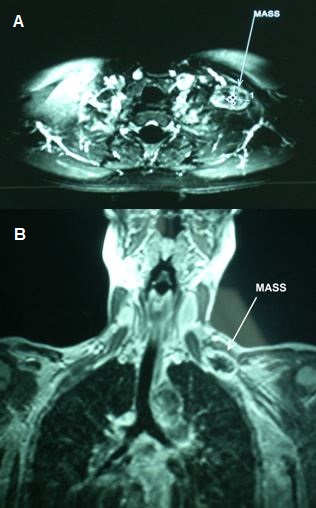
Schwannomas, known also as neurilemmomas, are considered to be benign in the vast majority of cases. Originating from the schwan cells of the neural sheath of peripheral nerves, they usually develop in the head and neck. Involvement of the brachial plexus is relatively rare, with an incidence of 0.3–0.4/100,000 person per year1. Malignant transformation is extremely uncommon. Patients’ initial symptoms include pain, loss of function, numbness or a progressively growing mass in the supraclavicular region. Neglected cases regarding larger benign tumors may present with monoparesis of an upper limb2. Primary malignant schwannomas of the brachial plexus causing monoplegia are extremely infrequent and to the best of our knowledge very few cases have been published in the international literature.
Continue reading
Intrathecal drug administration extends beyond the purposes of anaesthesia, to therapeutic applications. Here, we describe the case of a patient with severe Systemic Lupus Erythematosus having affected multiple organs and had a meningococcal infection. She was treated with intrathecal antibiotic therapy resulting in a successful outcome.
Continue readingThe aim of this case report is to demonstrate the efficacy and safety of Continuous Spinal Anesthesia (CSA) in an elderly patient with severe Chronic Obstructive Pulmonary Disease (COPD), who was scheduled for elective laparoscopic cholecystectomy.CSA can be used to provide a sufficient block in order to allow laparoscopic cholecystectomy to be performed even in patients with severely abnormal respiratory function. Safety, efficacy and a decreased need for postoperative analgesia render this approach a valid option for patients with symptomatic gallstone disease, who are poor candidates for general anesthesia due to cardiorespiratory or airway problems as well as for patients with other contraindications for general anesthesia.
Continue reading
Syncope is a common complaint in clinical medical care. Except of neurological disorder, most of the patients havea brief benign clinical course with spontaneous recovery. Etiology may range from benign disorders to severe life-threatening diseases.Syncope as the leading symptom in patients suffering from intrathoracic neoplasm is uncommon. A rare case of a giant pleural solitary fibrous tumor causing recurrent episodes of syncope is presented. Diagnostic considerations and therapeutic strategy are discussed.
Continue reading
Posterior Reversible Encephalopathy Syndrome (PRES) is a newly recognised clinical entity, accompanied by characteristic depicted findings. Disturbance of consciousness levels, spasms, vomiting and cortical blindness are the clinical manifestations of the syndrome, while the main causes are hypertensive encephalopathy, renal failure, immunosuppressive and cytotoxic drugs. PRES may be displayed with reversible damage (white matter edema), while if infarcts happen, damage is considered irreversible or neuronal. Early MRI and Diffusion-Weighted MRI (DW-MRI) provide instant information, directly related to a prognosis, as DW-MRI can separate the vasogenic edema from the cytotoxic one, which is accompanied by early infarcts.
Continue reading
We present two cases of pregnant women with placenta percreta invading the bladder, along with a short review of the literature. The two women sustained early and late major haemorrhagic complications requiring massive transfusion (up to 142 PRBC and 353 blood product units) and urgent reoperation. They were both treated in the ICU and discharged in good state.
Continue reading


